

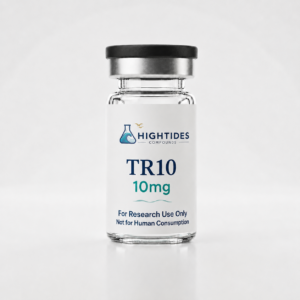
Ara 290 (R10 10mg x 10vials)
$50
ARA 290 peptides are synthetic research peptides derived from erythropoietin, studied for their potential role in cellular protection, inflammation regulation, nerve support, and tissue repair. Explore the science, mechanisms, benefits, and latest research behind this emerging regenerative peptide.
Free shipping on orders over $50!
- Satisfaction Guaranteed
- No Hassle Refunds
- Secure Payments
ARA 290 Peptides: A Complete Guide to Its Science, Mechanism, and Potential Applications
The field of peptide research has expanded rapidly in recent years, with scientists exploring new molecules that may support tissue protection, inflammation control, and cellular repair. Among these emerging peptides, ARA 290 peptides have gained significant attention because of their unique biological properties and potential therapeutic applications.
ARA 290, also known as Cibinetide or Peptide B Helix Surface Peptide (pHBSP), is a synthetic peptide derived from a specific region of erythropoietin (EPO). Unlike traditional erythropoietin treatments, ARA 290 peptides are designed to activate protective cellular pathways without stimulating red blood cell production. (Wikipedia)
Researchers are studying ARA 290 peptides for their possible role in reducing inflammation, supporting nerve health, protecting tissues from damage, and improving recovery processes. While research is still ongoing, this peptide has become an important topic in regenerative medicine and advanced biotechnology.
WHAT ARE ARA 290 PepTides?
ARA 290 peptides are laboratory-created peptides based on a small section of the naturally occurring erythropoietin molecule. Erythropoietin is a hormone primarily known for controlling red blood cell production, but scientists discovered that certain parts of this molecule may have protective effects on tissues.
The goal behind developing ARA 290 was to separate the tissue-protective functions of erythropoietin from its blood-cell stimulating activity.
Unlike full erythropoietin, ARA 290 does not primarily target traditional erythropoietin receptors involved in increasing red blood cell levels. Instead, it interacts with a specialized receptor system called the innate repair receptor (IRR), which is associated with cellular protection and inflammation regulation.
Because of this mechanism, researchers are investigating ARA 290 peptides as potential tools for supporting tissue recovery without some of the limitations associated with conventional EPO-based therapies.
How Do ARA 290 Peptides Work?
The biological activity of ARA 290 peptides is linked to their ability to activate protective signaling pathways inside cells.
When tissues experience stress or injury, the body activates inflammatory responses. Although inflammation is necessary for healing, excessive or prolonged inflammation can contribute to tissue damage.
ARA 290 peptides are believed to influence these processes by:
- Supporting cellular survival pathways
- Reducing harmful inflammatory signaling
- Encouraging tissue repair mechanisms
- Protecting nerve cells from stress-related damage
- Improving communication between damaged tissues and repair systems
Research suggests that ARA 290 may interact with the innate repair receptor, which combines components of erythropoietin and the beta common receptor. This pathway is different from the receptor responsible for increasing red blood cell production.
Potential Benefits of ARA 290 Peptides
Although clinical research is still developing, scientists have explored several potential applications of ARA 290 peptides.
1. Nerve Protection and Neuropathy Research
One of the most studied areas involving ARA 290 peptides is nerve health.
Researchers have investigated whether ARA 290 may help protect peripheral nerves affected by damage, inflammation, or metabolic stress. This has created interest in conditions involving nerve dysfunction, including certain forms of neuropathy.
The peptide’s anti-inflammatory and tissue-protective properties are believed to be key factors behind this research direction.
2. Inflammation Regulation
Chronic inflammation plays a role in many health conditions. Unlike broad immune suppressants, researchers are interested in peptides like ARA 290 because they may influence specific inflammatory pathways while supporting natural repair responses.
Studies have examined whether ARA 290 can reduce inflammatory activity and encourage a healthier healing environment at the cellular level.
3. Tissue Repair and Recovery
Another important research area for ARA 290 peptides is regenerative medicine.
Scientists are exploring whether this peptide can support damaged tissues by:
- Improving cellular resilience
- Reducing oxidative stress
- Supporting recovery after injury
- Encouraging protective biological responses
These properties have created interest among researchers studying future therapies for tissue damage and recovery.
ARA 290 Peptides vs Traditional Erythropoietin (EPO)
Although ARA 290 originates from erythropoietin, it works differently.
| Feature | ARA 290 Peptides | Traditional EPO |
|---|---|---|
| Main purpose | Tissue protection research | Red blood cell production |
| Primary interest | Repair and inflammation pathways | Treating anemia |
| Blood cell stimulation | Minimal compared with EPO | Strong effect |
| Research focus | Regenerative medicine | Hematology |
The development of ARA 290 represents an attempt to utilize the protective biological functions of erythropoietin without focusing on its blood-related effects.
Current Research on ARA 290 Peptides
ARA 290 peptides remain an area of scientific investigation. Researchers have explored their potential applications in different fields, including neurological conditions, inflammatory disorders, cardiovascular protection, and tissue recovery.
Some studies have investigated modified erythropoietin-derived peptides for protective effects in areas such as nerve injury and cardiovascular health. However, further human clinical research is required to fully understand effectiveness, safety, and appropriate medical applications. (Wikipedia)
It is important to distinguish between laboratory research findings and approved medical treatments. Many peptide compounds show promising biological activity during early research stages but require extensive clinical testing before becoming established therapies.
Are ARA 290 Peptides Approved for Medical Use?
ARA 290 peptides are considered an investigational compound. They are not widely approved as a standard medical treatment for general use.
Because peptide therapies can have complex biological effects, professional medical guidance is important before considering any peptide-based intervention.
Research continues to evaluate:
- Long-term safety
- Optimal dosing strategies
- Specific medical applications
- Effectiveness in human populations
Why Are ARA 290 Peptides Gaining Attention?
The growing interest in ARA 290 peptides comes from a broader shift toward regenerative medicine and targeted biological therapies.
Instead of simply treating symptoms, researchers are increasingly exploring molecules that may influence the body’s natural repair systems.
ARA 290 represents an interesting example of how scientists can modify naturally occurring molecules to investigate new therapeutic possibilities.
Its potential connection with inflammation control, nerve protection, and cellular repair makes it a promising subject for future biomedical research.
Final Thoughts
ARA 290 peptides are an emerging area of peptide science focused on tissue protection, inflammation regulation, and regenerative medicine. Derived from erythropoietin, this synthetic peptide has attracted scientific interest because of its ability to activate protective pathways without primarily targeting red blood cell production.
While early research suggests promising biological effects, more clinical studies are needed to determine its full potential and medical applications.
As peptide research continues advancing, ARA 290 may provide valuable insights into future approaches for supporting cellular repair and improving treatments for complex inflammatory and neurological conditions.

Reviews
There are no reviews yet.