

The world of scientific research is constantly evolving, and peptides and specialized compounds are becoming increasingly important in laboratory studies. As researchers explore new possibilities in biochemistry, molecular biology, and other scientific fields, access to reliable research materials remains a key consideration.
High Tide Compounds is a term that brings attention to the growing interest in research peptides, laboratory compounds, and the importance of understanding their characteristics. Whether you’re exploring peptide research for the first time or are already familiar with laboratory materials, knowing what to look for can help you make more informed decisions.
Understanding High Tide Compounds and Research Peptides

Peptides are short chains of amino acids connected through peptide bonds. These molecules play important roles in biological processes and are widely studied for their structural and biochemical properties.
In laboratory environments, researchers investigate peptides to better understand molecular interactions, cellular signaling, and other complex biological mechanisms.
When exploring high tide compounds, it’s helpful to recognize that peptides and other research compounds can differ significantly in their composition, stability, and intended scientific applications.
Not every compound serves the same purpose. Some are studied for their molecular structure, while others are investigated for their interactions with specific biological systems.
Understanding these differences is an important part of responsible research.
Why Quality Matters in Research Compounds

One of the biggest considerations when selecting laboratory compounds is quality.
Research findings depend on numerous factors, including the identity, purity, and consistency of the materials used. Even small variations in a compound’s composition can influence experimental outcomes.
When evaluating research materials, scientists commonly consider several factors:
- Purity: Understanding the reported purity level of a compound helps researchers assess its suitability for specific experiments.
- Identity: Analytical testing can help confirm whether a material matches its stated chemical identity.
- Documentation: Batch-specific certificates of analysis and relevant testing records provide useful information.
- Storage requirements: Different compounds may require different environmental conditions to maintain stability.
- Consistency: Reliable documentation and manufacturing controls support reproducible laboratory work.
For anyone researching high tide compounds, these considerations provide a useful starting point for evaluating scientific materials.
Exploring Peptides and Compounds for Laboratory Research
Although peptides and compounds are often discussed together, they aren’t necessarily the same thing.
Peptides are molecules made from amino acids, while the broader category of research compounds can include a wide variety of chemical substances with different structures and properties.
Peptide research frequently focuses on molecular recognition, biochemical pathways, and interactions between molecules.
Other laboratory compounds may be used in analytical chemistry, molecular studies, or experiments designed to investigate particular chemical reactions.
Understanding these categories allows researchers to identify materials relevant to their scientific objectives.
It also highlights why clear product descriptions, accurate labeling, and supporting analytical information matter when browsing a research-focused website.
Proper Storage and Handling of Research Materials
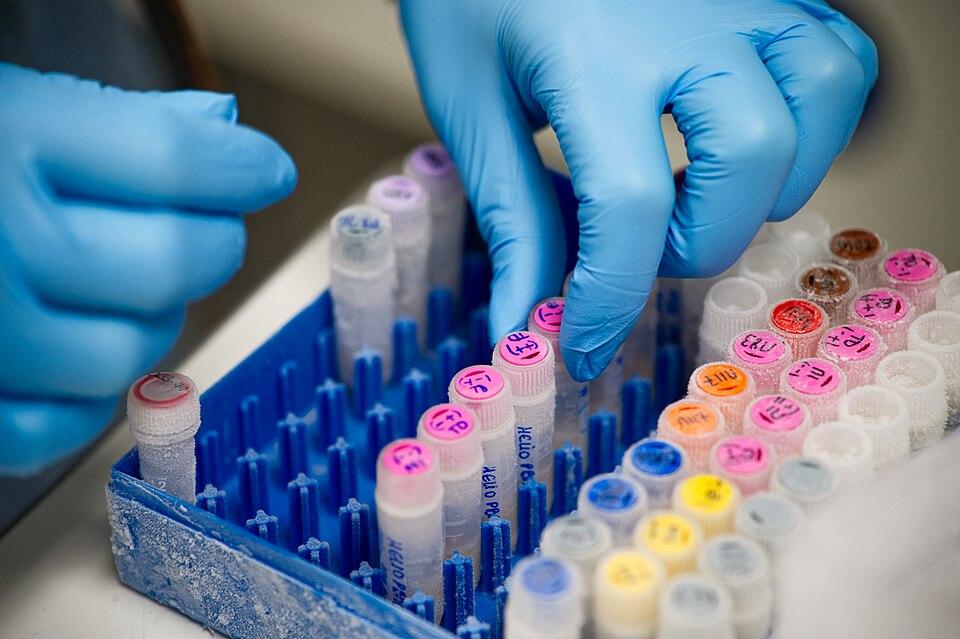
Another important topic associated with high tide compounds is the storage and handling of laboratory materials.
Research peptides and chemical compounds can respond differently to temperature, light, humidity, and other environmental conditions.
Some materials require refrigerated or frozen storage, while others may remain stable under controlled room-temperature conditions.
There is no universal storage method suitable for every peptide or compound.
Researchers should follow compound-specific documentation, applicable laboratory safety procedures, and established handling protocols.
Proper labeling, contamination prevention, and careful inventory management also contribute to maintaining an organized research environment.
The Growing Importance of Transparency in Peptide Research
As interest in peptides continues to expand, transparency has become increasingly valuable.
Researchers benefit from access to clear chemical information, analytical documentation, and accurate descriptions of research materials.
When exploring high tide compounds, it is worth paying attention to how information is presented and whether claims are supported by appropriate evidence.
Responsible suppliers should distinguish between established scientific findings, preliminary research, and applications that have not been clinically validated.
Research-grade materials should not be confused with medicines approved for human or veterinary use.
Final Thoughts
Scientific progress depends on careful experimentation, reliable materials, and accurate information.
Understanding the differences between peptides and other laboratory compounds can help researchers navigate an increasingly diverse scientific landscape.
Whether your interest lies in peptide chemistry, molecular research, or laboratory quality standards, high tide compounds offers a useful topic for exploring the fundamentals of research materials.
By prioritizing documentation, responsible handling, and evidence-based information, researchers can make better-informed decisions and support more consistent scientific investigations.