
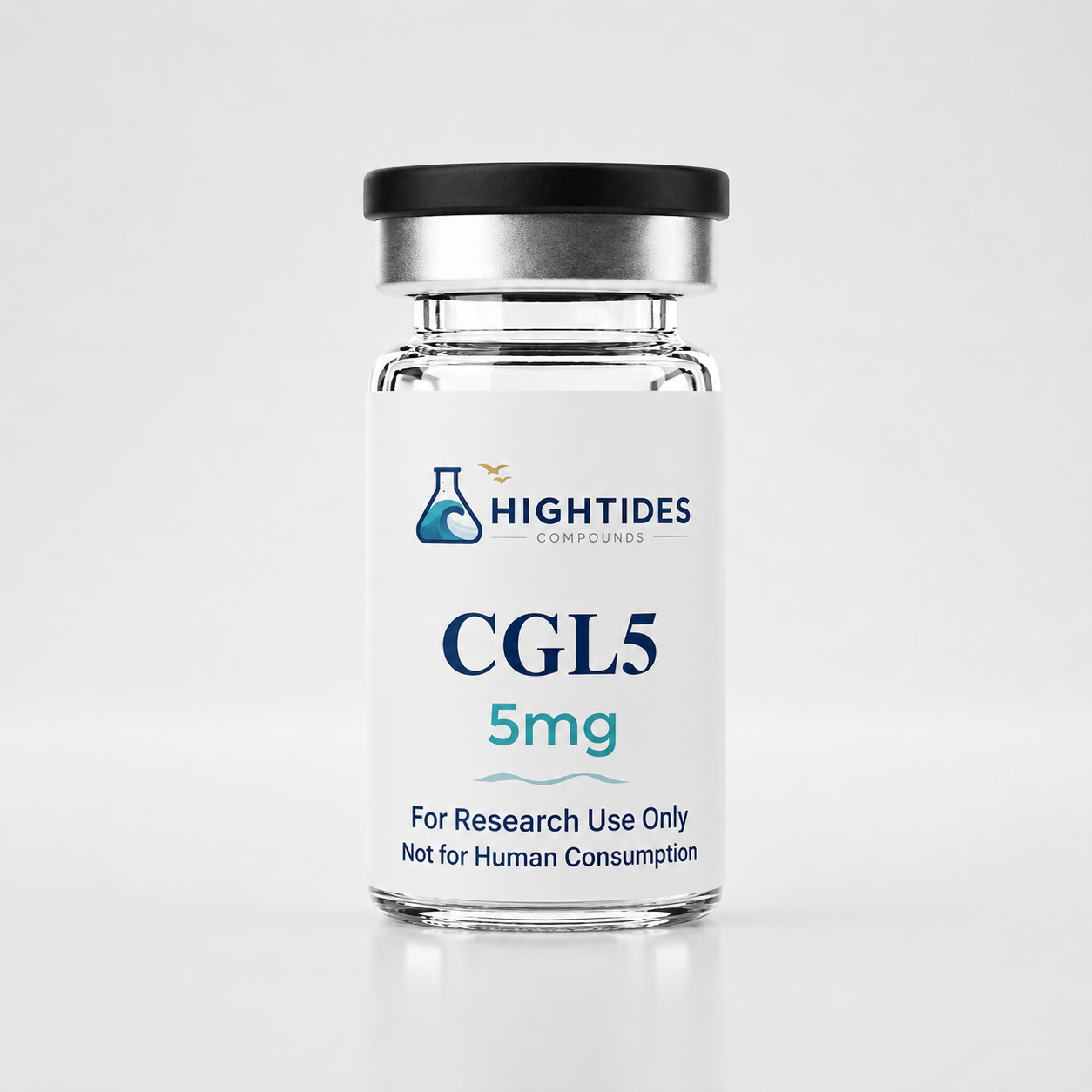
Cagrilintide (CGL5 5mg x 10vials)
$120
Cagrilintide is a long-acting amylin analogue studied in metabolic, appetite-regulation, satiety, and weight-management research. It has attracted scientific interest due to its activity in amylin-related pathways and its investigation alongside GLP-1-based compounds such as semaglutide.
For legitimate research or other legally authorized purposes only. Not intended for self-treatment, self-injection, or unsupervised human use.
Free shipping on orders over $50!
- Satisfaction Guaranteed
- No Hassle Refunds
- Secure Payments
Cagrilintide: Uses, Benefits, Research, and How It Works
Cagrilintide is a long-acting amylin analogue being studied for its potential role in appetite regulation, satiety, and weight management. Interest in this compound has increased as researchers explore new hormonal approaches to obesity and metabolic health. Unlike GLP-1 receptor agonists, this therapy primarily targets pathways associated with amylin, a naturally occurring hormone involved in signaling fullness after meals.
What Is Cagrilintide?
Cagrilintide is designed to mimic some of the biological effects of amylin while remaining active in the body for a longer period. Amylin is normally released by pancreatic beta cells alongside insulin and plays a role in controlling food intake, digestive processes, and post-meal satiety.
Because of its extended activity, researchers have investigated the compound as a possible option for long-term weight-management strategies. Studies continue to examine its effectiveness, safety, tolerability, and potential use alongside other metabolic therapies.
How Does Cagrilintide Work?
The mechanism of Cagrilintide is linked mainly to amylin receptors involved in appetite and satiety signaling. By activating these pathways, the treatment candidate may help people feel full sooner and remain satisfied for longer after eating.
This effect can potentially reduce overall food intake. Researchers are interested in whether sustained activation of amylin-related pathways can support meaningful changes in body weight when combined with appropriate medical care, nutrition, and lifestyle measures.
Its mechanism differs from GLP-1 medications, which is one reason scientists are studying whether the two approaches may complement each other.
Cagrilintide for Weight-Management Research
One of the main areas of investigation is Cagrilintide for weight loss and obesity management. Clinical studies have evaluated how different doses affect appetite, calorie intake, body weight, and treatment tolerability.
Results from controlled studies have generated interest, but outcomes can vary according to dose, treatment duration, participant characteristics, adherence, and other health factors. Clinical-trial findings should therefore not be interpreted as a guarantee of individual results.
Obesity is a complex chronic condition influenced by genetics, hormones, metabolism, environment, behavior, and underlying health conditions. Medication, when appropriate, is generally one part of a broader treatment plan rather than a standalone solution.
Cagrilintide and Semaglutide
Researchers have also examined Cagrilintide in combination with semaglutide. This investigational combination is commonly known as CagriSema.
Semaglutide works primarily through the GLP-1 receptor, while the amylin analogue acts through a different hormonal pathway. Combining the two allows researchers to study whether targeting multiple appetite-regulating systems can produce complementary effects.
This area of research is particularly important because modern obesity medicine increasingly focuses on multi-pathway therapies rather than relying on a single biological mechanism.
Potential Benefits Being Studied
Research involving this long-acting amylin analogue has focused on several potential benefits, including increased satiety, reduced hunger, lower food intake, and support for body-weight reduction.
Another area of interest is its long-acting profile. Longer duration of activity may make treatment more practical compared with compounds that require more frequent administration.
However, potential benefits must always be considered alongside safety, tolerability, individual medical history, and the quality of available clinical evidence.
Possible Side Effects
Like other therapies that affect appetite and gastrointestinal function, this treatment candidate may cause side effects. Clinical research has reported gastrointestinal symptoms such as nausea, vomiting, constipation, diarrhea, abdominal discomfort, and reduced appetite.
The frequency and severity of these effects may vary depending on dose and individual response. Clinical trials often use gradual dose escalation to improve tolerability and help researchers identify an appropriate balance between effectiveness and adverse effects.
Anyone receiving an authorized medication containing this compound should follow professional medical guidance and official prescribing information.
Is Cagrilintide a GLP-1 Medication?
No. Cagrilintide is an amylin analogue rather than a GLP-1 receptor agonist.
Although both types of therapy may influence appetite and food intake, they work through different hormonal systems. This distinction is important for understanding why researchers are interested in combining amylin-based treatments with GLP-1 therapies.
Research and Regulatory Considerations
The regulatory status of this investigational therapy can vary by country and may change as clinical development progresses. Consumers should rely on official health authorities, licensed healthcare professionals, and verified pharmaceutical sources when checking whether a medicine is authorized for a specific use.
Products promoted online as “research peptides” should not automatically be assumed to meet pharmaceutical standards for purity, sterility, identity, storage, or manufacturing quality. Unverified products may carry additional health risks.
Frequently Asked Questions
What is Cagrilintide used for?
It is being studied primarily in obesity and weight-management research because of its effects on appetite and satiety signaling.
How does it affect appetite?
As an amylin analogue, the compound is designed to enhance biological signals associated with fullness. This may help reduce hunger and overall food intake.
What is CagriSema?
CagriSema is the name commonly used for the investigational combination of semaglutide and Cagrilintide. Researchers are studying the combination because the two components target different hormonal pathways involved in appetite regulation.
Is it the same as semaglutide?
No. Semaglutide is a GLP-1 receptor agonist, while the second component is an amylin analogue. Their mechanisms are different even though both are being researched in the context of weight management.
Conclusion
Ongoing research is intended to clarify its long-term effectiveness, safety, optimal dosing, tolerability, and potential role in combination treatment. People interested in medical weight-management options should rely on qualified healthcare professionals and authorized products rather than unverified online sources.
Reviews
There are no reviews yet.