

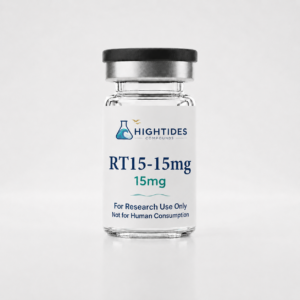
DSIP (DS15 15mg x 10vials)
$85
DSIP peptide (Delta Sleep-Inducing Peptide) is a fascinating neuropeptide that has gained attention in scientific research for its potential role in sleep regulation, nervous system signaling, and biological balance. First identified through studies exploring natural sleep processes, this peptide has become an important topic in modern peptide research. Scientists are investigating how DSIP interacts with the body’s signaling pathways, including those related to sleep patterns, stress response, and cellular communication. While research is still developing, the promising findings surrounding this unique peptide continue to drive interest among researchers exploring the connection between peptides, brain function, and overall wellness.
Free shipping on orders over $50!
- Satisfaction Guaranteed
- No Hassle Refunds
- Secure Payments
DSIP Peptide: How It Works, Research, Benefits, and Scientific Insights
Introduction
DSIP peptide (Delta Sleep-Inducing Peptide) is a naturally studied neuropeptide that has gained attention in scientific research because of its possible connection with sleep regulation, stress response, and nervous system activity. First discovered during studies focused on sleep patterns, DSIP has become an interesting subject in peptide research and neuroscience.
Unlike traditional compounds that directly affect the body, peptides like DSIP act as signaling molecules that may help regulate communication between cells. Researchers continue to investigate how this peptide interacts with biological systems and what role it may play in sleep-related pathways and overall physiological balance.
What Is DSIP Peptide?
DSIP peptide stands for Delta Sleep-Inducing Peptide, a small molecule made up of nine amino acids. It was originally identified during research into sleep mechanisms and brain activity.
Scientists became interested in this peptide because early studies suggested that it may influence processes connected with:
- Sleep patterns
- Nervous system communication
- Stress adaptation
- Hormonal regulation
- Biological rhythms
Although its name suggests a direct connection with sleep, research findings have been complex. Some studies have explored possible effects on sleep cycles, while others have shown limited or inconsistent results. More research is needed to fully understand its biological functions.
How Does DSIP Peptide Work?
The exact mechanism of action of DSIP is still being studied. Researchers believe that this neuropeptide may interact with signaling pathways involved in the nervous system and physiological regulation.
Sleep and Biological Rhythms
One of the main areas of research surrounding DSIP is its possible relationship with sleep patterns. Scientists have examined whether it may influence sleep-related processes, including slow-wave sleep and sleep quality.
Research into DSIP and sleep continues because understanding natural sleep-regulating molecules could provide valuable insights into how the brain controls rest and recovery.
Stress Response and Adaptation
Researchers have also investigated whether DSIP may be connected with the body’s response to stress. The peptide has been studied for its possible involvement in biological pathways that help maintain balance during physical or environmental challenges.
Nervous System Signaling
As a neuropeptide, DSIP is part of a larger group of molecules involved in communication between nerve cells. Scientists are exploring how these signaling compounds influence brain activity and physiological processes.
Potential Benefits of DSIP Peptide Research
Interest in DSIP peptide continues because of several areas being explored in scientific studies.
Sleep Research
The most recognized area of DSIP research is sleep science. Scientists have studied whether this peptide may influence sleep patterns and recovery processes.
Research areas include:
- Sleep cycle regulation
- Rest quality
- Brain activity during sleep
- Natural sleep mechanisms
However, current evidence does not establish DSIP as an approved treatment for sleep problems.
Stress and Relaxation Research
Another area of interest is the possible relationship between DSIP and stress-related pathways. Researchers are examining how peptides may influence the body’s ability to respond to stress and maintain internal balance.
Neurobiology Research
DSIP is also studied as part of broader neuroscience research. Understanding how peptides communicate with the nervous system may help scientists learn more about brain function and biological regulation.
DSIP Peptide Safety Considerations
Because DSIP remains a research compound, important questions about long-term effects and safety continue to be studied.
Researchers are still examining:
- Long-term human safety data
- Possible biological effects
- Appropriate research applications
- Interactions with other compounds
Anyone interested in peptide-related products should consider scientific evidence and consult qualified professionals before making health-related decisions.
Frequently Asked Questions About DSIP Peptide
What is DSIP peptide?
DSIP peptide, or Delta Sleep-Inducing Peptide, is a naturally studied neuropeptide researched for its possible role in sleep regulation, nervous system signaling, and biological processes.
Is DSIP a sleep medication?
No. DSIP is a research peptide and is not an approved medication for treating sleep disorders.
What is DSIP peptide studied for?
Researchers study DSIP in areas including sleep biology, stress response, neurochemical communication, and peptide signaling.
Does DSIP improve sleep?
Research has explored the relationship between DSIP and sleep, but current findings are still developing and more studies are required.
Final Thoughts
DSIP peptide is an intriguing area of peptide and neuroscience research. Its connection with sleep-related processes and biological signaling has made it a topic of continued scientific interest.
While early research has provided valuable insights into its possible functions, more studies are needed to understand its full mechanism, safety profile, and future applications. As peptide science continues to advance, DSIP may provide researchers with a better understanding of how natural signaling molecules influence sleep, stress, and cellular communication.


Reviews
There are no reviews yet.